I design AI systems that survive production, not just demos. RAG pipelines, autonomous agents, browser automation, and n8n orchestration — engineered with the same hardware-first discipline I learned doing radar signal processing. Built solo, end to end.
I'm an electrical and communications engineer from the Institute of Space Technology, Islamabad. Before AI automation became my work, I spent years on radar signal processing and metamaterials research — the kind of problems where one wrong assumption breaks the entire signal chain and there's no LLM to paper over the failure.
Most automation builders learn the tool first and the engineering later. I came in the opposite direction. When a client brings me a workflow problem, the first question I ask is whether the workflow should exist at all — not how to drag-and-drop it together.
When I review an automation system, I look for where it will fail first: tight coupling between orchestration and compute, webhooks with no idempotency, retry storms, embedding drift with no observability. That critical eye is the thing my clients actually pay for, even when they think they're paying for an n8n workflow.
"I'm a problem solver by mindset. If I don't know something, I learn it fast — focused, fast, and relentlessly practical."
Six builds documented end to end — from the business problem to the architecture that shipped. Each designed and built solo.

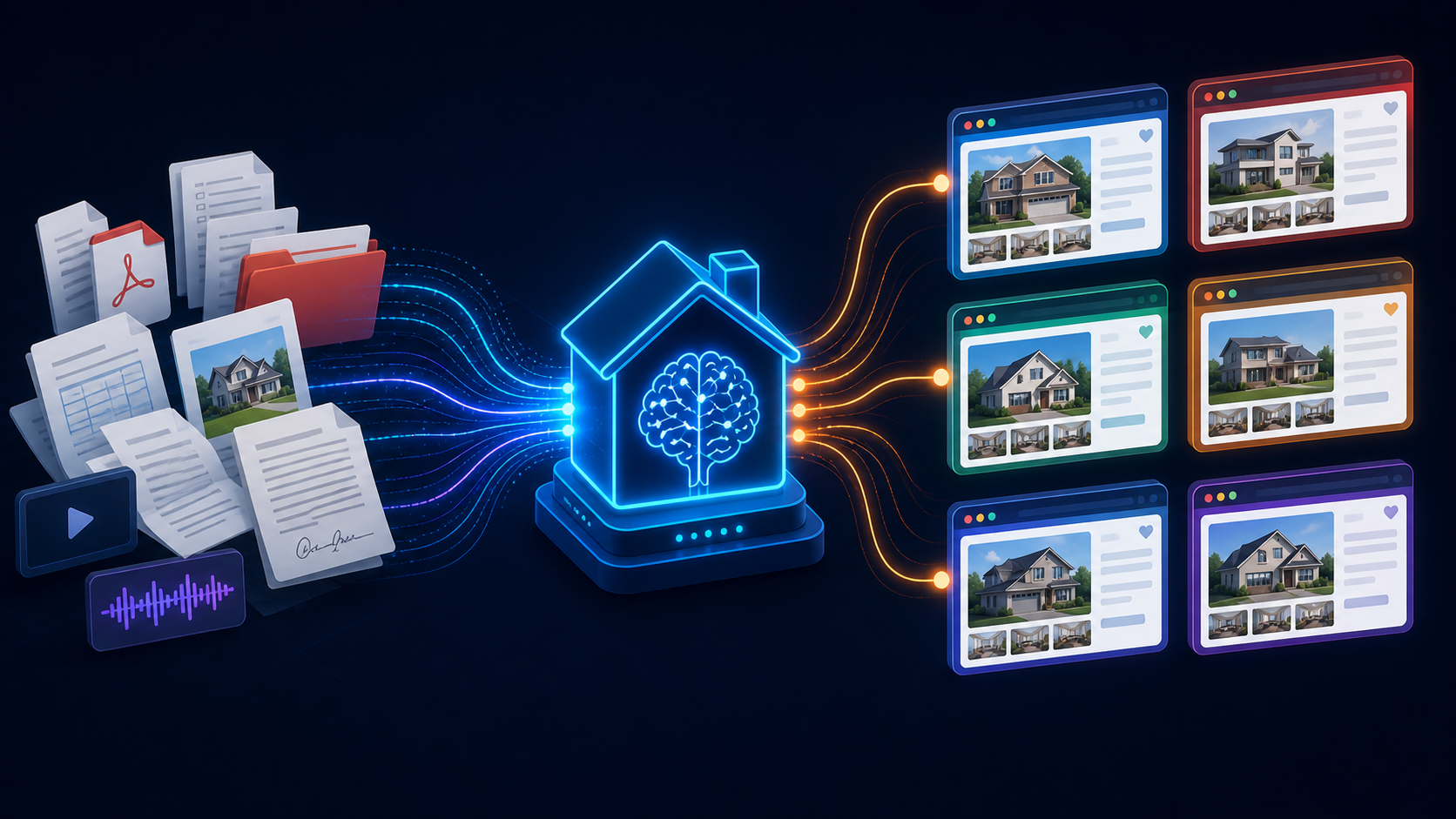
A multi-portal real estate listing platform. Ingests brochures, images, and video, structures them with a RAG pipeline into typed property records, and auto-publishes across multiple portals from a single trigger.
Read the case study →
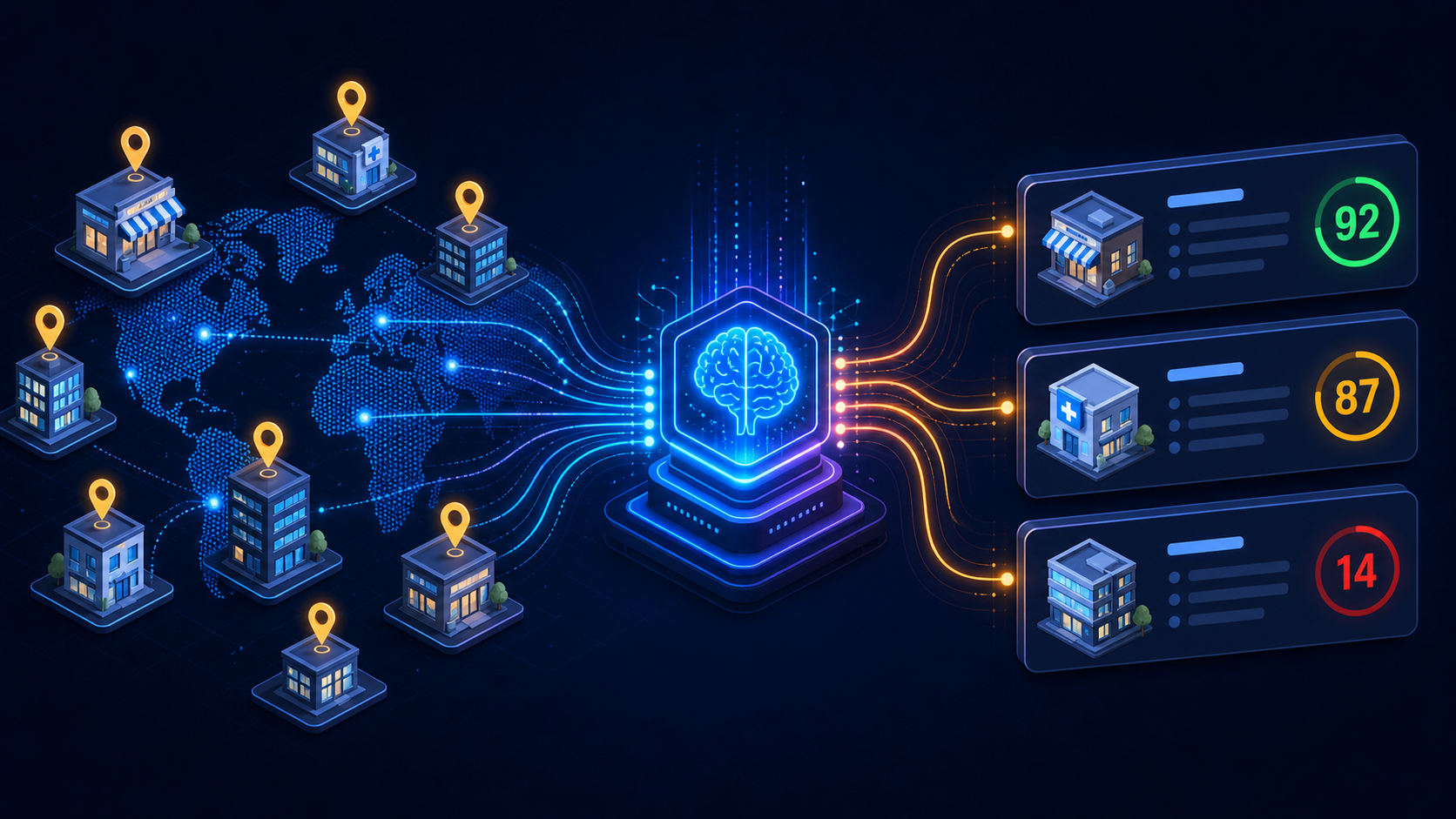
A configurable lead-gen pipeline — bring your own targets and sources. It scrapes, cleans, enriches, and qualifies leads at scale, turning messy web data into clean, scored records. 30,000+ processed.
Read the case study →
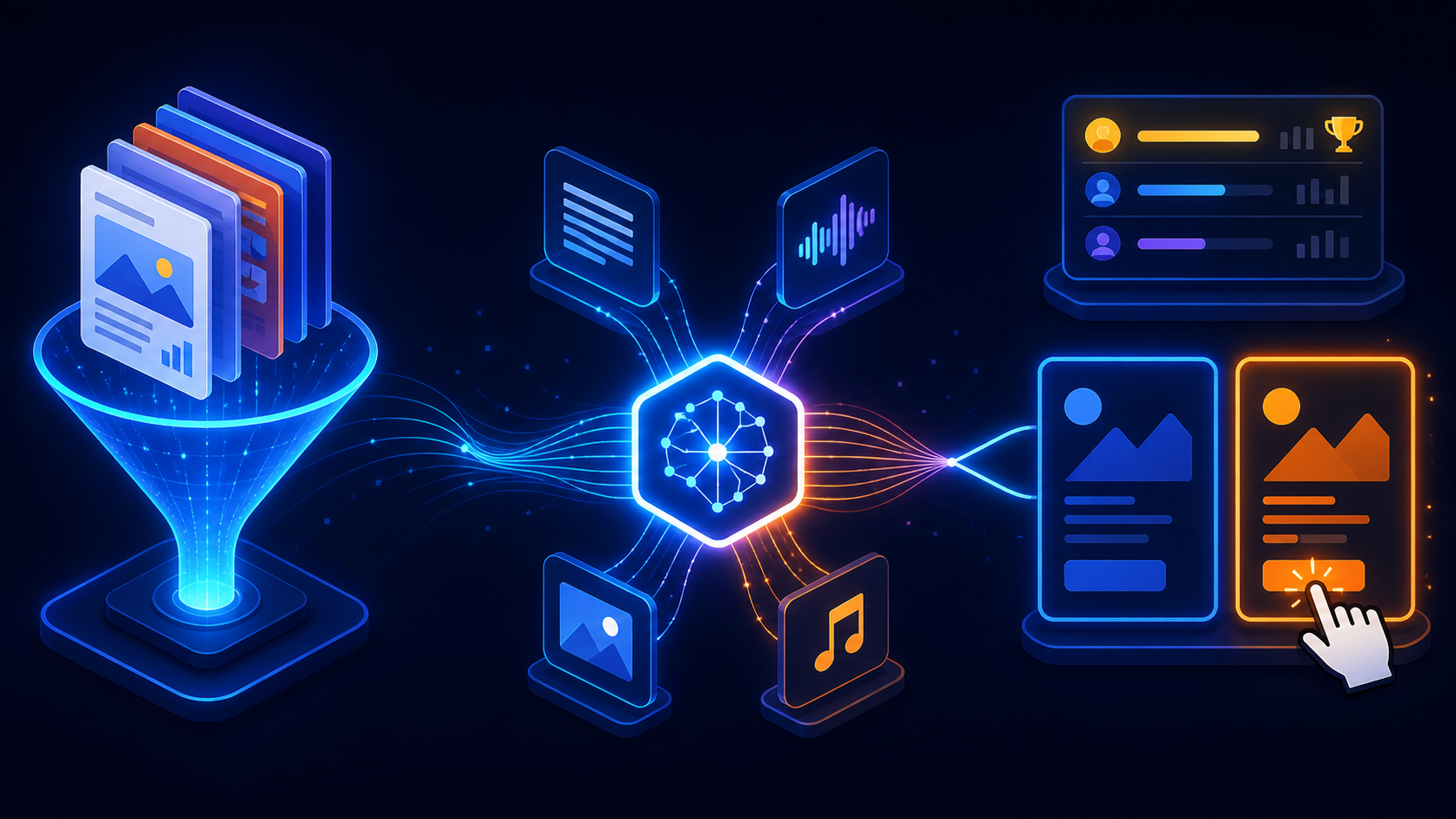
A full content platform that parses blog content, generates AI variations across text, voice, and images, then runs blind A/B voting battles — ranked on a live, trust-weighted leaderboard that turns "which version is better?" into measured data.
Read the case study →
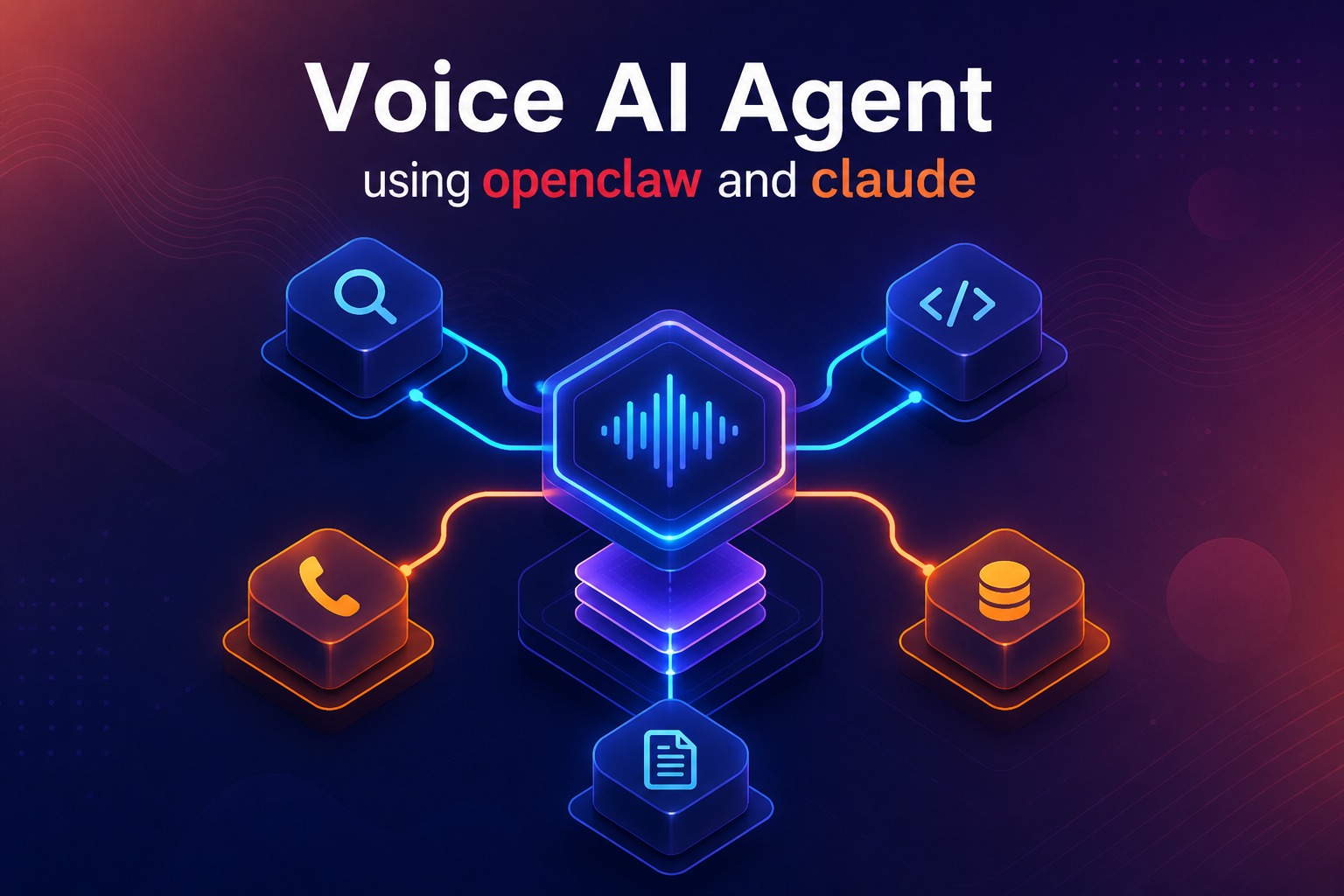
A voice assistant that holds natural, phone-style conversations — it listens, understands, and replies in lifelike speech, remembering context across the call. Built on a split fast-response / async-memory architecture, so it's quick and aware at once.
Read the case study →Controls and monitors a fleet of displays across three completely different protocols — HDMI-CEC, legacy RS232, and network IP — from one codebase. One abstract controller, scheduled automation, a unified time-series schema, and a single dashboard for the whole mixed fleet.
Read the case study →A FastAPI backend that sorts event participants into compatible, age-balanced groups under real exclusion rules (avoid vs bring kids/dogs), with dynamic sizing. Read-only against the live Supabase DB and exposed as a clean API a no-code frontend can call.
Read the case study →
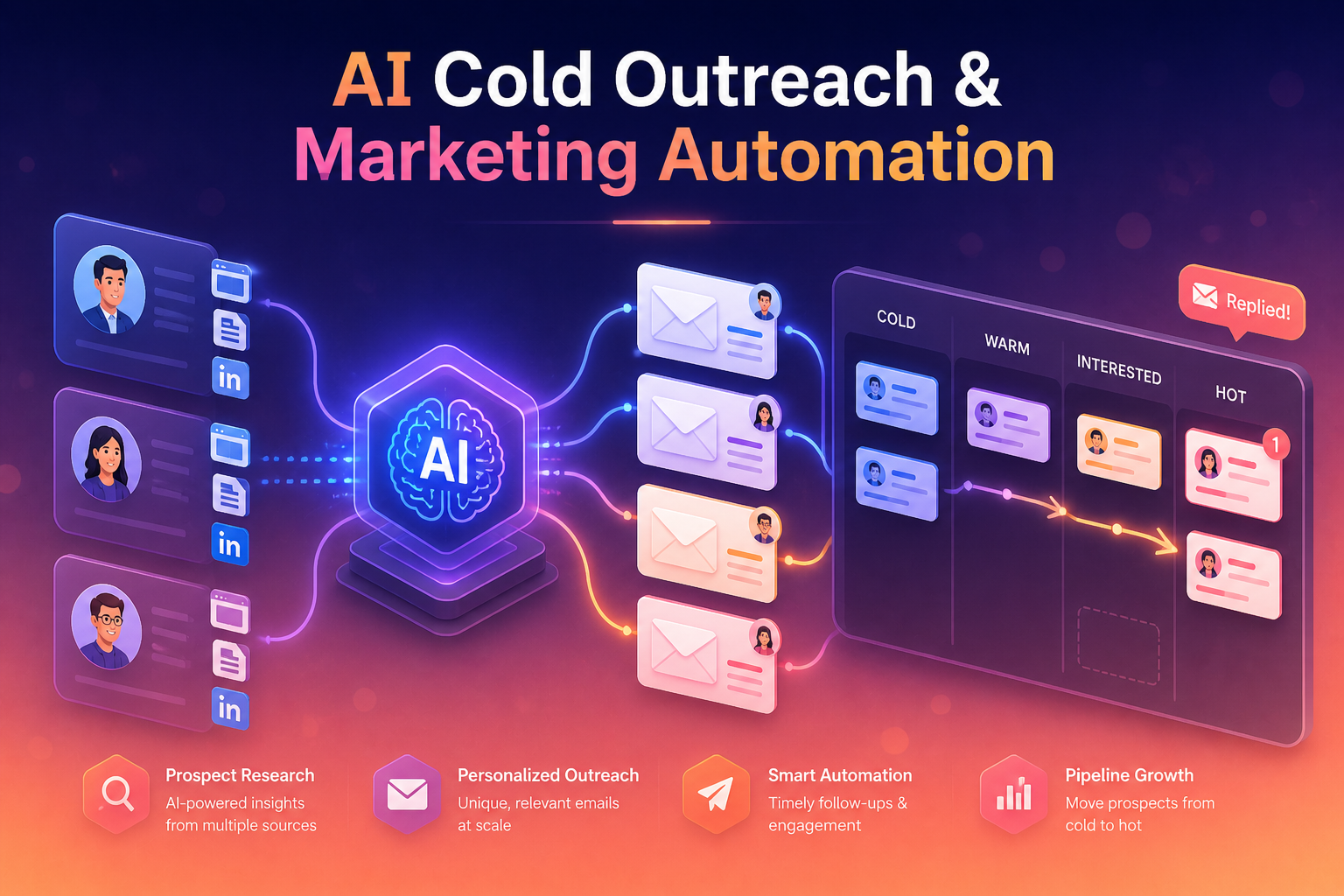
Multi-source enrichment, dynamic prompt engineering, and personalized outreach pipelines with deliverability safeguards.
An agent runtime that treats workflow control as a first-class problem — state machines and explicit edges over drag-and-drop. ↗
PostgreSQL + pgvector over cloud storage. Whisper for audio, OCR for scans, hybrid retrieval with reranking across mixed file formats.
Scrapers processing 30,000+ records with self-healing retry logic, structured extraction, and multi-source enrichment.
LangGraph, n8n in queue mode, and custom orchestration with idempotency, observability, and human-in-the-loop gates.
Playwright + Stagehand surviving real anti-bot portals: residential proxies, persistent sessions, captcha-tolerant logins.
Gmail-integrated LangChain agents with conversation memory, escalation routing, and human-in-the-loop safeguards.
Streamlit deployments for domain optimization — terahertz metamaterials, photonics — plus physics-informed ML research.
Badges are cheap. These are the tools I reach for in production — and the ones I've already watched break.
"I'll tell you 'this won't scale' before I start, not after the invoice. If you want a yes-man with a no-code certificate, I'm not the guy. If you want someone who will tell you your RAG is garbage and then fix it, we'll get along."
The one-page résumé, plus the complete project portfolio — including the electrical-engineering and hardware work behind the AI.
Applied AI Engineer résumé — professional summary, core skills, and selected projects. One page, recruiter-ready.
Download CV (PDF) ↓100+ GitHub projects across AI/ML, IoT, RF/antenna, MATLAB/DSP, and embedded systems — the hardware-to-AI breadth behind the case studies.
Download Portfolio (PDF) ↓I turn messy business problems into reliable AI systems — scraping, agents, RAG, and automation, designed and shipped solo.